
Only 32% of pre-match favourites in UEFA Champions League knockout rounds win by more than one goal, a stat that reshapes how serious bettors approach Champions League football Europa nights. With multiple fixtures scheduled across the continent on any given matchday, understanding the layers of intelligence behind each game separates profitable punters from casual viewers.
This guide breaks down the key factors that drive smart wagering decisions on Champions League football Europa fixtures, covering team form, historical data, squad depth, and the analytical frameworks that sharpen your edge tonight and every matchday.
Key Takeaways
- Champions League football Europa fixtures demand multi-layered analysis beyond simple league table positions
- Intelligence scoring systems combine form, squad depth, travel fatigue, and tactical matchups into a single actionable metric
- Home advantage in the Champions League is statistically weaker than in domestic leagues, affecting handicap selections
- Europa League nights often feature rotated squads, creating value opportunities in player-specific markets
- Injury reports, press conference signals, and lineup confirmations released 60 minutes before kick-off are the most time-sensitive data points
Understanding the Champions League Football Europa Intelligence Score
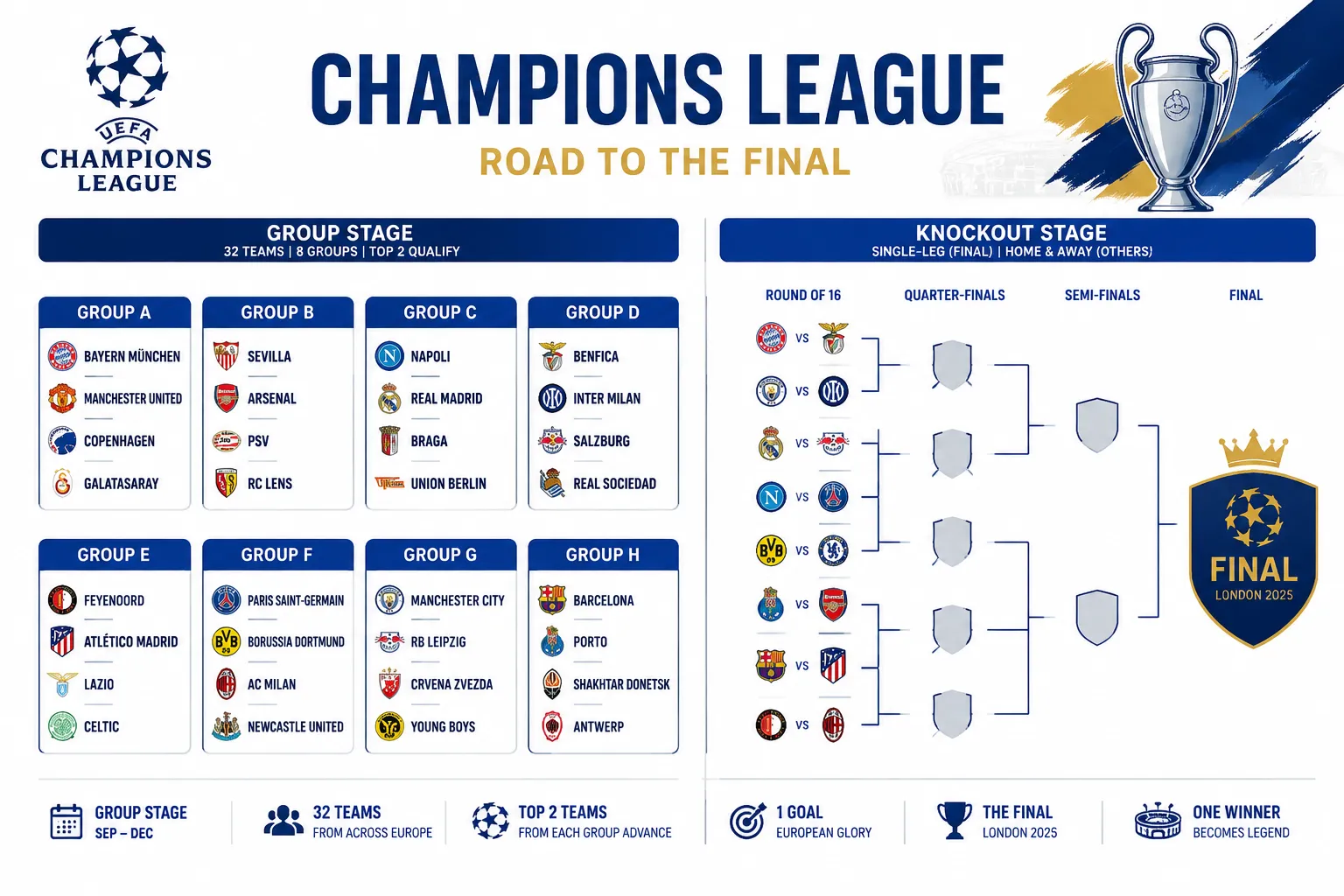
The term intelligence score refers to a composite metric that aggregates multiple performance and contextual variables to produce a single numerical rating for each team entering a Champions League fixture. Unlike a basic form guide, an intelligence score weights recent European performance separately from domestic results, because the tactical demands of UEFA competition differ significantly from weekend league play.
What Goes Into an Intelligence Score
A well-constructed intelligence score for Champions League football Europa analysis typically includes the following components:
| Factor | Weight | Why It Matters |
|---|---|---|
| Last 5 European results | High | Reflects current continental form |
| Goals scored and conceded in Europe | High | Measures attacking and defensive output |
| Squad availability (injuries/suspensions) | High | Directly affects lineup quality |
| Travel distance and rest days | Medium | Fatigue impacts second-leg performance |
| Head-to-head record in Europe | Medium | Psychological and tactical precedent |
| Manager tenure and tactical consistency | Low-Medium | Stability affects big-game preparation |
“The most overlooked variable in Champions League betting is not form, it is squad rotation policy. A manager who rests five starters ahead of a weekend derby fundamentally changes the expected goals model for that fixture.”
Group Stage vs. Knockout Intelligence
The intelligence score functions differently depending on the competition phase. During the group stage, teams with nothing to play for in the final matchday routinely field weakened lineups. This creates significant value in over/under markets and correct score betting.
In the knockout rounds, the intelligence score shifts weight toward:
- Defensive solidity in away legs, where a clean sheet is often the primary tactical objective
- Set-piece efficiency, since knockout ties are frequently decided by dead-ball situations
- Goalkeeper form, which carries outsized influence in one-off elimination matches
Bettors who apply a static model across all phases of Champions League football Europa competition consistently underperform those who adjust their framework by round.
Tonight’s Fixtures: How to Apply Champions League Football Europa Analysis
Applying intelligence scoring to tonight’s Champions League football Europa card requires a structured pre-match routine. The following framework is designed for bettors who want a repeatable, disciplined process rather than gut-feel selections.
Step 1: Confirm the Official Lineups
Lineup confirmations arrive approximately 60 minutes before kick-off via official club channels and UEFA’s matchday hub. This is the single most important data point of any pre-match session. A confirmed absence of a first-choice striker or central midfielder can shift the intelligence score by several points and invalidate pre-lineup market positions.
Key positions to monitor:
- Centre-forward: Absence reduces expected goals (xG) output by an average of 0.3-0.5 per 90 minutes at top-level clubs
- Defensive midfielder: Loss of the holding role increases opponent counter-attack efficiency
- First-choice goalkeeper: Backup keepers in European knockout ties produce measurably higher goals-against averages
Step 2: Cross-Reference Domestic Form with European Context
A team sitting second in their domestic league is not automatically a strong Champions League selection. European intelligence requires separating league performance from continental performance. Some clubs historically overperform domestically while struggling in UEFA competition due to:
- Tactical inflexibility against high-press opponents
- Lack of depth in wide areas when facing faster, more technical opposition
- Psychological pressure in knockout scenarios with no safety net
Conversely, certain clubs consistently outperform their domestic standing in Europe, particularly those with experienced squads and managers who have previously won the competition.
Step 3: Identify Market Value Through Line Movement
Line movement, the shift in odds between opening and closing, is a powerful signal in Champions League football Europa betting. When sharp money enters a market, bookmakers adjust their lines. Tracking these movements helps identify:
- Reverse line movement: When public money backs one side but the line moves the other way, sharp bettors are on the opposite side
- Steam moves: Rapid, coordinated line movement across multiple bookmakers signals high-confidence professional action
- Closing line value (CLV): Beating the closing line consistently is the strongest long-term indicator of a profitable betting approach
Step 4: Apply Situational Filters
Before placing any wager on tonight’s Champions League football Europa card, run each selection through these situational filters:
Motivation filter, Does the team have genuine incentive to win? A side already qualified for the knockout rounds with top spot secured may not press for victory.
Fatigue filter, How many days since the last competitive match? Teams playing their third fixture in eight days show measurable performance decline, particularly in the final 20 minutes.
Tactical matchup filter, Does the team’s style match up favorably against the opponent? A high-press side facing a deep-block defensive team often struggles to generate quality chances despite dominating possession.
Referee filter, Some UEFA-appointed referees produce statistically higher card counts and penalty rates. This is directly relevant to bookings markets and penalty scorer specials.
Building a Consistent Betting Framework for European Nights
The difference between recreational punters and those who generate long-term returns from Champions League football Europa markets comes down to process consistency. A few core principles apply regardless of which clubs are playing tonight:
- Never bet more than 2-3% of your bankroll on a single fixture, regardless of confidence level
- Track every wager with date, market, odds, stake, and result to identify which market types produce positive expected value
- Avoid same-game accumulators on Champions League nights, the correlated outcomes within a single match make these bets mathematically unfavorable at standard bookmaker margins
- Focus on markets where your intelligence score adds genuine edge, typically Asian handicaps, both-teams-to-score, and first-half result markets rather than outright winner selections at compressed odds
Conclusion
Champions League football Europa nights in 2026 offer some of the most analytically rich betting opportunities in world sport, but only for those who approach each fixture with structured intelligence rather than brand loyalty or recency bias. The intelligence score framework outlined here provides a repeatable process: confirm lineups, separate European form from domestic form, track line movement, and apply situational filters before committing any stake.
Actionable next steps for tonight:
- Pull the confirmed lineups 60 minutes before kick-off and reassess any pre-match positions
- Cross-check each team’s last five European results independently from their domestic record
- Monitor odds movement across at least three bookmakers to identify sharp market signals
- Apply the motivation and fatigue filters as a final gate before placing any wager
- Record every selection with full context so the data builds into a personal performance database over the season
Disciplined application of these steps, night after night, is what converts Champions League football Europa knowledge into measurable, long-term betting returns.